HPV Virus Warts on Neck: Risks, Symptoms, and Prevention
Have you ever noticed small bumps on your neck that just wouldn’t go away? If so, you might be…

Warts (verrucae) represent benign proliferative epidermal neoplasms induced by cutaneous Human Papillomavirus (HPV) infection of basal keratinocytes, requiring structured clinical evaluation, keratolytic ablation, and cell-mediated immune activation to achieve permanent lesion clearance without cicatricial scarring.
Comprehensive clinical breakdown exploring evidence-based management, diagnostic differentiators, and therapeutic outcomes for knee warts natural treatment: holistic approaches for clearing warts.
Comprehensive clinical breakdown exploring evidence-based management, diagnostic differentiators, and therapeutic outcomes for knee warts children: recognizing and treating warts in kids.
Comprehensive clinical breakdown exploring evidence-based management, diagnostic differentiators, and therapeutic outcomes for plantar warts knee: managing and treating plantar warts on the knee.
Human Papillomavirus (HPV) comprises over 150 distinct double-stranded DNA genotypes that exhibit strict tropism for stratified squamous epithelium. Cutaneous verrucae develop when viral virions penetrate micro-fissures in the stratum corneum, successfully infecting mitotic basal keratinocytes. Once established, the viral genome down-regulates local epidermal differentiation programs while inducing hyperkeratosis (thickening of the stratum corneum), acanthosis (thickening of the stratum spinosum), and papillomatosis. Histological hallmark features include koilocytes—vacuolated keratinocytes with eccentric, pyknotic nuclei—and dilated, thrombosed capillary loops clinically visible as pinpoint dark specks.
Dermatological management is fundamentally divided into destructive physical modalities, topical chemical keratolytics, and immunomodulatory interventions. Cryotherapy utilizing liquid nitrogen (-196°C) delivers rapid intracellular ice-crystal formation followed by membrane rupture and localized immune provocation. Concurrently, topical salicylic acid formulations (17% to 40%) systematically dissolve intercellular lipid matrices and desmosomal junctions, permitting sequential debridement. High-precision laser ablation and bleomycin intralesional infiltration serve as tertiary protocols for recalcitrant or periungual mosaic manifestations.
Differential diagnosis remains imperative to prevent mistreating premalignant or invasive cutaneous conditions. Amelanotic malignant melanoma, squamous cell carcinoma in situ (Bowen’s disease), seborrheic keratosis, and mechanically induced helomas (corns) frequently mimic verrucous architecture. Comprehensive clinical assessment combining high-resolution dermoscopy and histopathological biopsy ensures accurate diagnostic stratification before proceeding with ablative treatment protocols.
| Entity / Modality | Clinical Mechanism & Attributes | Diagnostic & Therapeutic Standard |
|---|---|---|
| Liquid Nitrogen Cryotherapy | Intracellular thermal shock & epidermal sloughing | -196°C contact / open spray; 2-3 freeze-thaw cycles; 65-75% clearance |
| High-Concentration Salicylic Acid | Keratolytic desmosomal lysis & gradual debridement | 17-40% daily topical application under occlusion; 70-80% clearance over 8-12 weeks |
| Pulsed Dye / Nd:YAG Laser | Selective photothermolysis of dilated dermal capillaries | 585-1064 nm wavelength; thermal vascular thrombosis; 70-85% clearance in refractory cases |
| Topical Immunomodulation (Imiquimod) | Toll-like receptor 7/8 activation & interferon induction | 5% cream 3x weekly; ideal for non-hyperkeratotic or mucosal variants |
Common warts develop when cutaneotropic genotypes of the Human Papillomavirus enter microscopic abrasions in the skin, infecting proliferating basal keratinocytes and stimulating rapid hyperkeratosis, acanthosis, and microvascular dilation.
Dermatologists utilize dermoscopy to identify interrupted skin tension lines (dermatoglyphics) and thrombosed dermal capillaries (dark punctate dots) characteristic of warts, whereas mechanical corns preserve dermatoglyphics and feature dense, translucent keratin centers without capillary thrombosis.
Success depends on adequate depth of physical or chemical tissue destruction combined with host cell-mediated immune activation, as humoral antibodies alone rarely eliminate intracellular viral reservoirs within the avascular upper epidermis.
Yes, physical trauma such as scratching, shaving, or picking macerates the stratum corneum, enabling active viral virions to seed adjacent cutaneous regions and establish satellite verrucous clusters.

Have you ever noticed small bumps on your neck that just wouldn’t go away? If so, you might be…

Are you concerned about a small, flesh-colored growth on your neck? It might be a neck filiform wart. These common skin growths are caused by a virus and usually appear on areas like the neck, face, or eyelids. While harmless, they can be bothersome. Luckily, there are effective treatments available, like cryotherapy or topical medications. Identifying and treating neck filiform warts is crucial for both comfort and aesthetics.

Common warts on the face can be an annoyance, but fear not! Our ultimate guide provides a comprehensive overview of the various treatment options available. From over-the-counter remedies to professional interventions, we’ve got you covered. Say goodbye to those pesky warts and hello to clearer, smoother skin.

Neck warts can be bothersome, but identifying them accurately is the first step towards finding a suitable treatment. Our comprehensive collection of neck warts images serves as a visual reference for recognizing common skin issues. With clear and detailed visuals at your disposal, you can confidently pinpoint the problem and take the necessary steps towards a solution. Stay informed, stay aware, and say goodbye to neck warts!

HPV warts on the back of the tongue can be alarming, but understanding their causes and prevention methods is key. HPV, a common sexually transmitted infection, can lead to these warts. Prevention involves practicing safe sex, getting vaccinated, and maintaining good oral hygiene. Regular dental check-ups are also crucial. By being aware and taking preventive measures, we can reduce the risk of HPV warts and their potential complications.

Are you concerned about a wart-like growth on your stomach? It’s important to identify and address it promptly. While there could be several causes, such as skin tags, moles, or even viral infections like HPV, it’s best to consult a healthcare professional for an accurate diagnosis. They can provide suitable treatment options tailored to your specific needs, ensuring peace of mind and optimal care. Don’t delay – take proactive steps towards a healthier you.

Can You Get a Wart on Your Tongue? Exploring the Risk Factors
Warts are commonly associated with hands and feet, but can they appear on your tongue? While rare, oral warts are possible, typically caused by the human papillomavirus (HPV). Risk factors such as weakened immune system, oral sex, or use of tobacco products may increase the likelihood. If you suspect a wart on your tongue, seek medical advice for proper diagnosis and treatment. Remember, prevention is key – maintaining good oral hygiene and protected sexual practices can significantly reduce the risk.

Warts on the face can be bothersome, but there’s a natural remedy that might help: apple cider vinegar. Its acidic properties are thought to kill the virus responsible for warts. To apply, soak a cotton ball in diluted ACV and place it on the affected area. Cover overnight and repeat until the wart disappears. However, it’s important to consult with a dermatologist before trying any home remedies for warts, as they can be mistaken for other skin conditions.

Welcome to our guide on caring for your furry friend’s oral health! While dogs are known for their licks…

If you’ve noticed a flesh-colored wart on your neck, it’s important to identify and treat it properly. These warts, caused by HPV, are usually harmless but can be unsightly. This article will help you understand the characteristics of neck warts, along with effective treatment options available. From home remedies to medical procedures, we’ll provide you with the knowledge to address and remove these bothersome growths.

Warts by mouth can be an uncomfortable and embarrassing condition. Understanding the various types and causes is crucial to managing and preventing them. From common warts to oral papillomas, this article will delve into the different types of mouth warts, their reasons for development, and effective treatment options to restore oral health. Stay informed and take control of your oral well-being.

Soft warts on the inner thigh can be a cause for concern, but understanding how to recognize and manage them is key. These growths, caused by the human papillomavirus (HPV), are benign but can be annoying. From identifying their appearance to exploring treatment options, this article provides essential knowledge to help you navigate through this common condition.

Are you bothered by those unsightly warts on your face and neck? Warts can be caused by a variety of factors, including the human papillomavirus (HPV) and skin-to-skin contact. While they are generally harmless, they can be both embarrassing and uncomfortable. Luckily, there are several effective remedies available, including over-the-counter treatments and medical procedures. Read on to discover more about the causes of facial and neck warts, as well as the best ways to get rid of them.

HPV warts on the neck? Surprisingly, it’s possible. Human papillomavirus (HPV) can cause warts to appear on various parts of the body, including the neck. These warts are typically harmless but can be bothersome. In this article, we’ll explore the causes, symptoms, and treatment options for HPV warts on the neck. Stay tuned for all the essential information on viral skin issues!

Having a wart on the inner thigh near the groin can be uncomfortable and embarrassing for females. Luckily, there are various treatment strategies available. From over-the-counter options to medical procedures, this article explores different approaches to help you make an informed decision about tackling this pesky problem head-on.

Warts on the face and neck can be a nuisance, affecting our self-confidence. Fortunately, various treatment options are available for clear skin. From over-the-counter remedies to professional procedures like cryotherapy or laser therapy, there’s a solution for everyone. Consulting a dermatologist will help determine the best approach based on the size, location, and type of wart. Clear skin is within reach, so don’t let warts hold you back!

Looking to bid farewell to that pesky wart that has been causing you nothing but annoyance? You’ve come to…
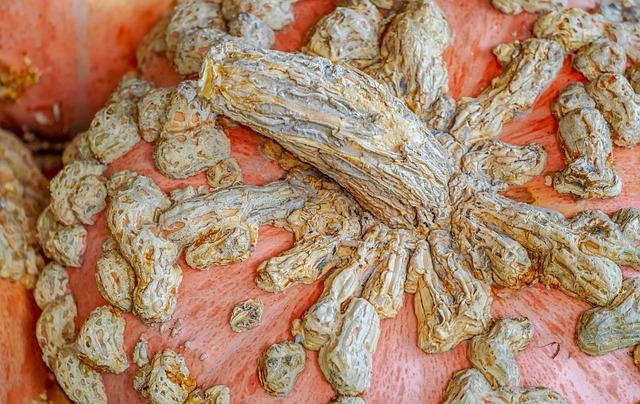
Warts on cattle neck pose significant challenges in agriculture, affecting animal health and productivity. These benign tumors, caused by viral infections, can spread rapidly within herds. Farmers need to implement effective strategies to control and prevent warts, including vaccination programs, hygiene measures, and regular veterinary monitoring. This article explores the challenges posed by warts on cattle necks and provides practical solutions for farmers to tackle this issue.

Warts are a common dermatological condition that can appear on various parts of the body. In this article, we will examine the reasons why warts tend to develop on the neck and armpits. Understanding these common locations can shed light on prevention and treatment options for those dealing with these pesky growths. So let’s dive in and explore the fascinating world of warts on the neck and armpits.

Warts on the inner thighs can be uncomfortable and embarrassing, but you’re not alone. Take a look at these shared visuals and find clarity amidst uncertainty. Our article provides advice on treatment options, prevention tips, and when to seek medical help. It’s time to reclaim your confidence and bid those warts goodbye!